
buy tempered glass
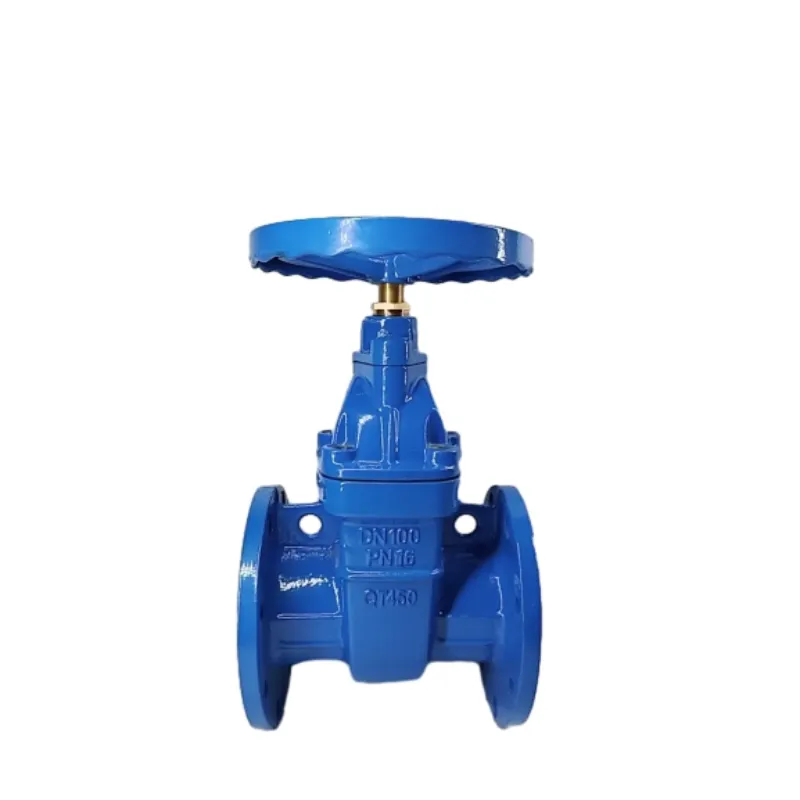
The Importance of the 1.5-Inch Gate Valve in Modern Applications In the world of plumbing and industrial fluid management, the significance of valves cannot be overstated. Among the various types of valves used to regulate and control fluid flow, the gate valve stands out as one of the most vital. Specifically, the 1.5-inch gate valve is widely utilized across diverse applications, from residential plumbing systems to large-scale industrial operations. In this article, we will delve into the features, benefits, and applications of the 1.5-inch gate valve to underscore its importance in fluid control. Understanding Gate Valves Gate valves are designed primarily for the purpose of completely opening or closing a fluid flow. They consist of a movable gate or wedge that either blocks or allows the passage of fluid when the valve is turned. One of the primary advantages of gate valves is their ability to provide minimal resistance to flow when fully open, which prevents pressure drops in the system. Additionally, gate valves are known for their durability and reliability, making them suitable for various medium types, including water, gas, and oil. Specifications of the 1 .5-Inch Gate Valve The 1.5-inch gate valve is characterized by its nominal size, which indicates that the valve has an internal diameter of 1.5 inches. This specific size is ideal for medium-sized applications, providing a balance between flow capacity and space efficiency. Typically made from materials such as brass, stainless steel, or ductile iron, these valves are designed to withstand the pressures and temperatures associated with their respective environments. One of the critical specifications to consider is the valve's pressure rating, commonly denoted in terms of maximum working pressure. Depending on the material and design, a 1.5-inch gate valve can typically handle varying pressure levels, making it versatile for use in different systems. Additionally, the valve's end connections—whether threaded, flanged, or welded—play a crucial role in installation and compatibility with existing piping systems. Benefits of Using a 1.5-Inch Gate Valve 1. Full Flow Capability When fully opened, a gate valve provides a straight-line flow path, minimizing turbulence and allowing for maximum flow capacity. This makes it ideal for applications requiring high flow rates. gate valve 1.5 inch 2. Low Flow Resistance Unlike some other valve types, gate valves do not create substantial flow resistance when open. This characteristic helps maintain efficiency in fluid transport systems. 3. Durability and Longevity The robust construction of a 1.5-inch gate valve ensures that it can withstand harsh conditions and continuous use. Its resistance to wear and corrosion further speaks to its longevity. 4. Ease of Operation Gate valves can be operated manually or automatically, depending on the specific design. Manual operation usually involves a handwheel, making it straightforward for operators to open or close the valve as needed. 5. Versatile Applicability The 1.5-inch gate valve finds its place in various sectors, ranging from residential plumbing to industrial processes. It can be used in water treatment plants, fire protection systems, and even in HVAC applications. Applications in Various Industries Given its versatility, the 1.5-inch gate valve is utilized in numerous industries. In residential plumbing, it may be employed to control water supply to individual fixtures or whole systems. In industrial contexts, these valves are often integrated into complex piping systems to manage the flow of fuels, chemicals, or water. The wastewater treatment industry also benefits from 1.5-inch gate valves, as they can regulate the flow of influent and effluent in treatment processes. Furthermore, in the firefighting sector, these valves enable the swift opening and closing of water supply lines, ensuring rapid response in emergency situations. Conclusion In conclusion, the 1.5-inch gate valve is a fundamental component in many fluid management systems, offering numerous advantages that enhance operational efficiency and reliability. Its design allows for maximum flow capacity while providing ease of operation and durability, making it a preferred choice across various applications. Whether used in residential, commercial, or industrial settings, the importance of the 1.5-inch gate valve cannot be underestimated, serving as a critical tool in ensuring the effective control of fluid transport. As industries continue to evolve, the demand for such reliable components will only increase, solidifying the gate valve’s role as an indispensable part of fluid management solutions.
about
buy tempered glass
Precision Measuring Tools Ensuring Accuracy in Engineering and Manufacturing Precision measuring tools play a crucial role in engineering, manufacturing, and quality control industries. These tools are designed to provide accurate measurements, which are essential for ensuring the quality and functionality of products. In a world where precision is paramount, selecting the right tools can significantly impact the success of any project or production run. Understanding Precision Measuring Tools Precision measuring tools encompass a variety of instruments and devices that are used to measure dimensions, angles, and other physical attributes with high accuracy. Some of the most commonly used tools include calipers, micrometers, gauges, and laser measuring devices. Each tool serves a specific purpose and is suited for particular types of measurement, whether it’s linear, angular, or volumetric. For instance, calipers can measure both internal and external dimensions, as well as depths, making them highly versatile in various applications. On the other hand, micrometers are typically used for measuring small distances with great accuracy, often down to the thousandth of a millimeter. These tools are vital in the production of parts where tight tolerances are essential. The Importance of Accuracy In manufacturing, even the slightest deviation from specified measurements can lead to significant issues, including product failure, increased production costs, and wasted materials. This is especially true in industries such as aerospace, automotive, and medical devices, where precision is not just a requirement but a matter of safety. Therefore, the calibration and maintenance of precision measuring tools are crucial to ensure ongoing accuracy. Regular checks and routine calibrations prevent inaccuracies that could compromise quality. precision measuring tools Advancements in Technology With technological advancements, precision measuring tools have evolved significantly. Digital calipers and micrometers, for example, are now equipped with electronic displays that provide instant readings and reduce the chance of human error. Additionally, advanced technologies such as lasers and optical systems allow for non-contact measurements, which can be crucial for delicate materials or complex geometries. 3D laser scanning technology is another groundbreaking advancement that enables the capturing of precise 3D shapes and measurements of objects. This tool is particularly useful in reverse engineering and quality control, providing detailed metrics that traditional methods may not capture effectively. Applications Across Industries The applications of precision measuring tools span a wide range of industries. In construction, these tools are essential for ensuring that building components meet design specifications. In the automotive industry, precision measurements are vital for engine parts, where even a small error can lead to inefficiency or safety hazards. In the medical field, precision instruments are critical for the production of devices such as implants and surgical tools, where exact specifications can have life-or-death consequences. Conclusion In conclusion, precision measuring tools are indispensable in today's manufacturing and engineering landscapes. The emphasis on accuracy and precision drives innovation and the development of new tools and technologies. As industries continue to evolve and demand higher standards of quality, the importance of precision measuring tools only grows. Investing in the right tools and ensuring their proper use and maintenance is not just a matter of efficiency but a commitment to excellence in product quality and safety. As we move into the future, the role of precision measuring tools will only become more critical, shaping the way we design, manufacture, and innovate.
-

High quality industrial productsagement

High quality industrial products
View Details -

Meet the diverse needs of customers

Meet the diverse needs of customers
View Details -

Strict quality control

Strict quality control
View Details -

Top raw materials

Top raw materials
View Details -

Trusted supplier

Trusted supplier
View Details
Our application


news and information

Water Pressure Control Valve for Efficient Regulation and System Protection
Understanding Water Pressure Reduction Valves Water pressure reduction valves (PRVs) are essential c
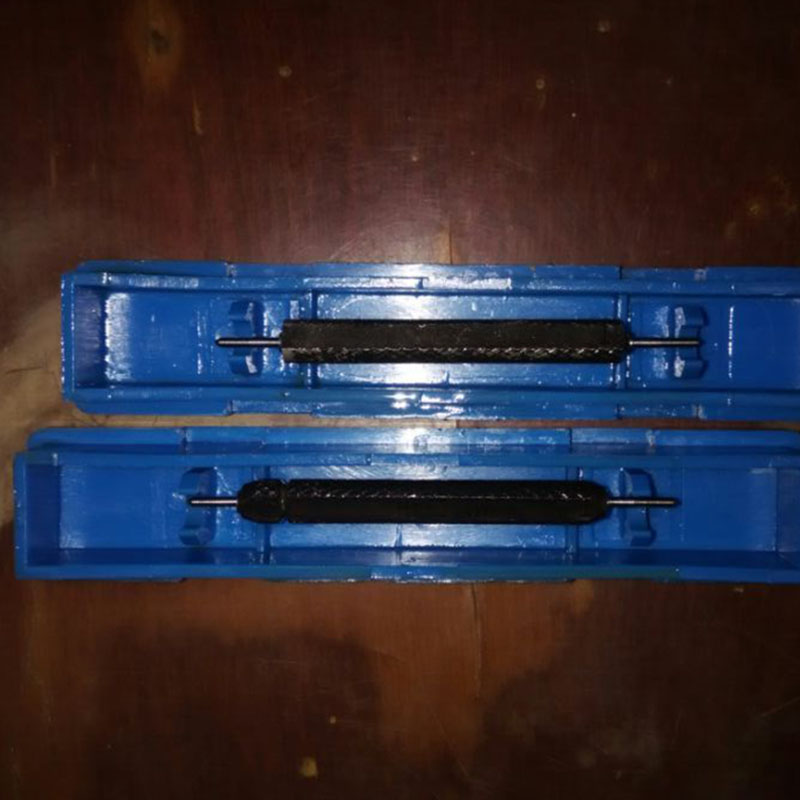
Using Ring Gauges for Accurate Measurement and Quality Control in Manufacturing
The Importance of Ring Gauges in Quality Control In the realm of manufacturing and quality control,

Welding Tables Available for Purchase at Competitive Prices
welding tables for sale .
 English